Poison Oak Removal in Lancaster, PA
Poison oak removal services are designed to help homeowners safely and effectively eliminate this hazardous plant from residential properties. These services typically cover projects such as clearing overgrown areas, landscaping around homes, gardens, or outdoor recreational spaces, and maintaining clear boundaries between natural growth and developed areas. Property owners often seek poison oak removal to reduce the risk of skin irritation and allergic reactions for themselves, family members, or pets, especially in yards with dense vegetation or areas where children play.
Before requesting poison oak removal, property owners usually want to understand the extent of the growth, the best methods for removal, and whether ongoing maintenance might be necessary to prevent regrowth. It's also helpful to know if the removal process involves herbicide application, physical clearing, or a combination of techniques, and to ensure proper disposal of the plant material to prevent the spread of roots or seeds. Clear communication about the scope of work can help ensure a safe and effective removal process tailored to the specific needs of the property.
Many property owners in Lancaster, PA look into Poison Oak Removal for repairs, replacements, upgrades, and appearance-related improvements.

Poison Oak Identification
Understanding the signs of poison oak helps property owners avoid exposure and plan removal effectively.

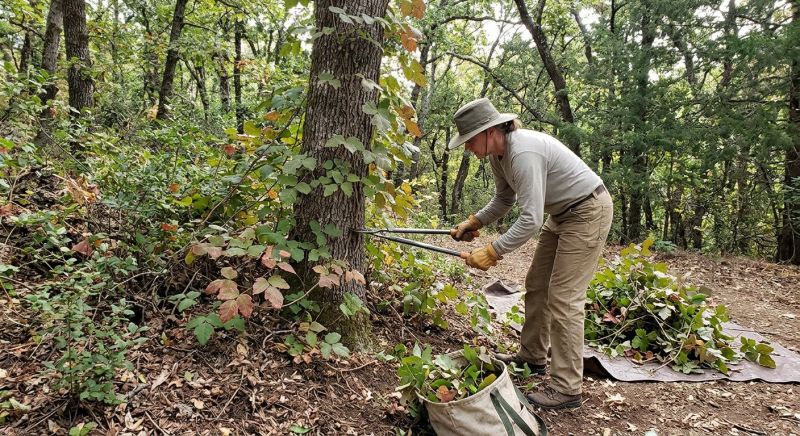
Safe Removal Techniques
Professional removal ensures the plant is safely eradicated without risking skin irritation or environmental damage.
Property Maintenance
Regular clearing of poison oak reduces the risk of accidental contact and keeps outdoor spaces safe for families and pets.
Poison Oak Removal in Lancaster, PA
Poison oak removal services are designed to help homeowners safely and effectively eliminate this hazardous plant from residential properties. These services typically cover projects such as clearing overgrown areas, landscaping around homes, gardens, or outdoor recreational spaces, and maintaining clear boundaries between natural growth and developed areas. Property owners often seek poison oak removal to reduce the risk of skin irritation and allergic reactions for themselves, family members, or pets, especially in yards with dense vegetation or areas where children play.
Before requesting poison oak removal, property owners usually want to understand the extent of the growth, the best methods for removal, and whether ongoing maintenance might be necessary to prevent regrowth. It's also helpful to know if the removal process involves herbicide application, physical clearing, or a combination of techniques, and to ensure proper disposal of the plant material to prevent the spread of roots or seeds. Clear communication about the scope of work can help ensure a safe and effective removal process tailored to the specific needs of the property.
Many property owners in Lancaster, PA look into Poison Oak Removal for repairs, replacements, upgrades, and appearance-related improvements.
Common Poison Oak Removal Jobs
Poison Oak Removal - Clearing overgrown areas to eliminate poison oak and reduce exposure risk.
Yard Clearing - Removing poison oak from lawns, gardens, and landscaped areas for safety.
Brush and Shrub Removal - Extracting poison oak from dense brush and shrubbery to protect property.
Property Maintenance - Regular removal of poison oak to prevent regrowth and maintain landscape health.
Trail and Pathway Clearing - Ensuring safe access by removing poison oak along walkways and trails.
Selective Plant Removal - Targeted removal of poison oak without disturbing desirable plants.
Poison Oak Removal Questions
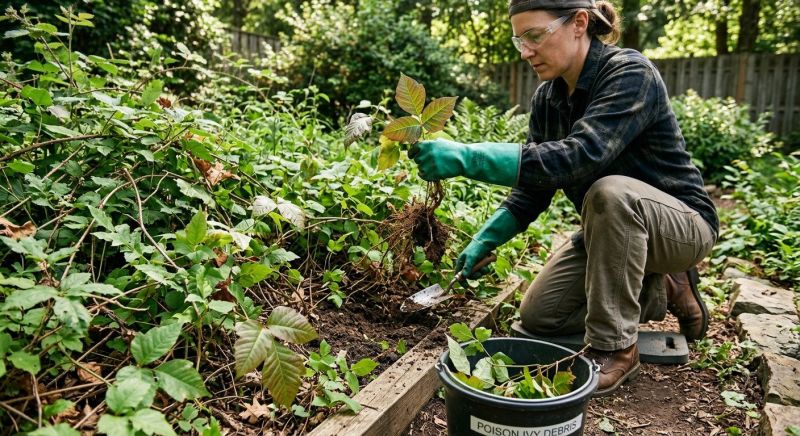
What is poison oak removal? Poison oak removal involves safely eliminating poison oak plants from residential or commercial properties to reduce health risks.
Why should property owners consider poison oak removal? Removing poison oak helps prevent skin irritation and allergic reactions for residents and visitors.
What types of projects typically require poison oak removal? Projects include clearing overgrown areas, landscaping renovations, and property maintenance to ensure safety and aesthetics.
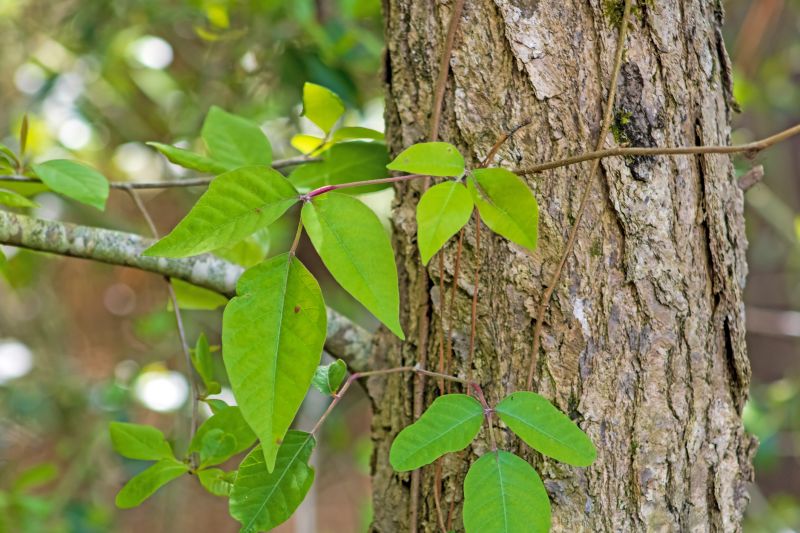
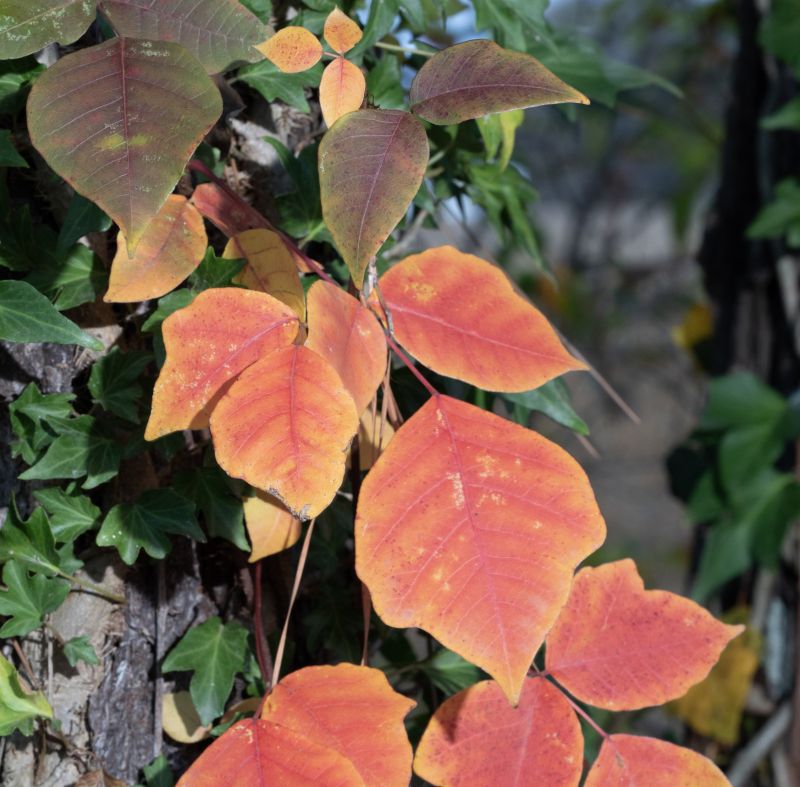
How can poison oak be identified? Poison oak has clusters of leaves that resemble oak trees, often with a shiny or hairy appearance, typically growing as shrubs or vines.
Request Poison Oak Removal in Lancaster, PA
Use the quote form on this page to share the basics of your project and request more information for the type of work you need.